Growth Curve Bio supports precision fermentation programs across eight primary markets:
Pharma & Biopharma
Therapeutic proteins, vaccine components, peptide therapeutics, fermentation-derived APIs, intermediates, excipients.
Human Food & Beverage
Alternative proteins, specialty lipids, fermented carbohydrates, sweeteners, flavors, pigments, functional ingredients.
Animal & Aquaculture Nutrition
Feed enzymes, amino acids, alternative feed proteins, probiotics, performance additives.
Agriculture & AgTech
Biofertilizers, biostimulants, nitrogen-fixing microbes, crop protection agents, soil enhancers.
Materials & Advanced Biomaterials
Structural biomaterials, bioplastics, specialty polymers, fibers, functional coatings.
Industrial & Performance Chemicals
Specialty organic acids, intermediates, industrial enzymes, performance additives.
Personal & Home Care
Active cosmetic ingredients, surfactants, fragrance molecules, cleaning enzymes.
Energy & Climate Platforms
Fuel intermediates, renewable feedstocks, carbon-conversion microbes, fermentation-derived energy carriers.
Growth Curve Bio primarily works with BSL-1 bacterial and yeast hosts commonly used in precision fermentation, including organisms such as E. coli, Lactobacillus, Pichia, and Saccharomyces. Programs involving other microbial systems may be evaluated depending on project requirements.
Companies typically engage Growth Curve Bio during early development, process optimization, pilot execution, or preparation for larger-scale manufacturing transfer. Programs range from first-gram production through scale-up refinement.
Growth Curve Bio delivers structured R&D data packages generated through disciplined bench and pilot-scale development. Deliverables include defined process parameters, yield and recovery metrics, analytical characterization, and documentation to support informed scale-up decisions. At pilot scale, Growth Curve Bio also performs small-batch manufacturing to produce representative product material.
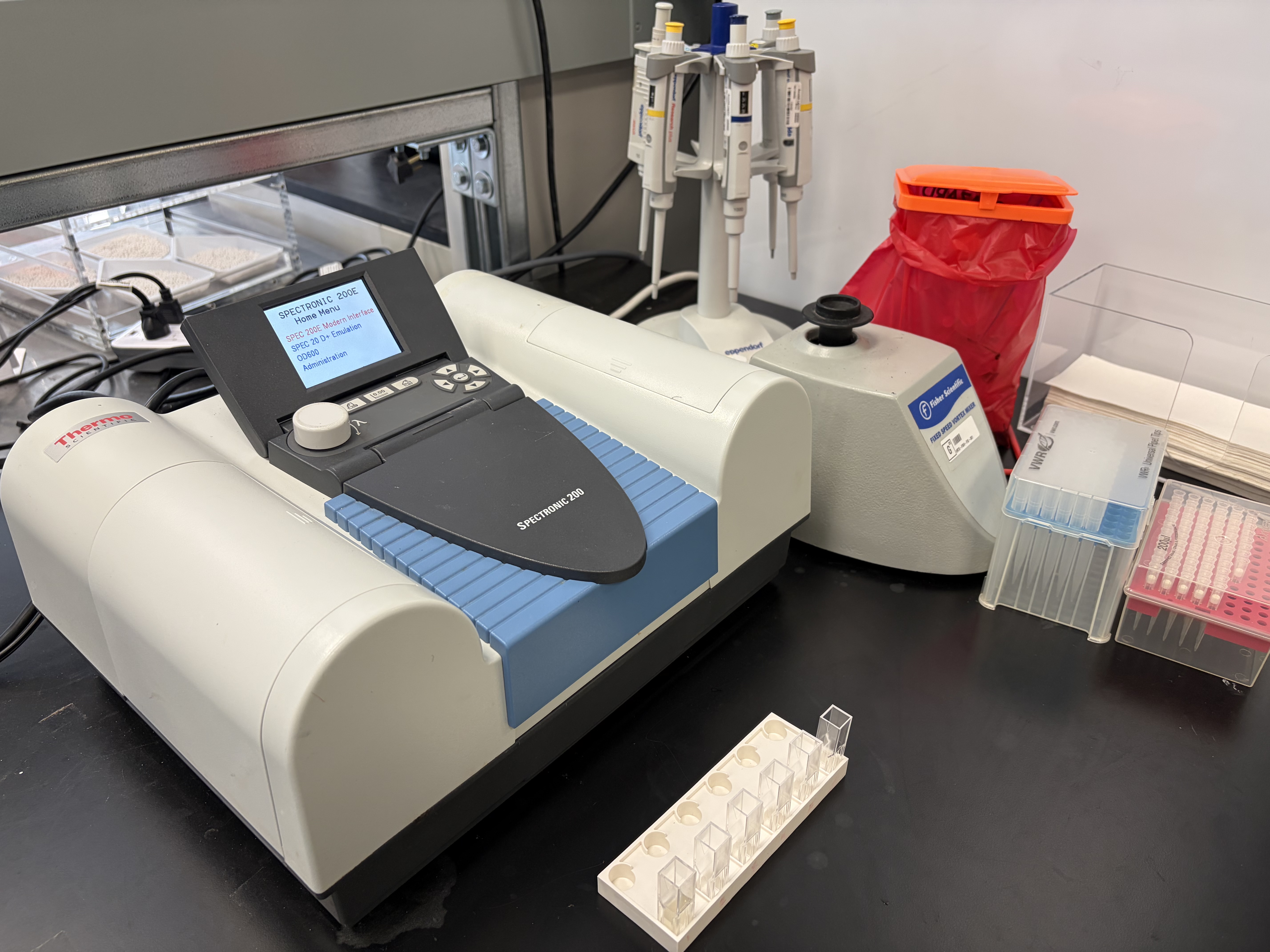
Analytics are central to disciplined scale-up. Growth Curve Bio uses in-process monitoring and structured analytical characterization to quantify yield, purity, substrate utilization, and process consistency. Reproducible data packages support confident interpretation and technology transfer.
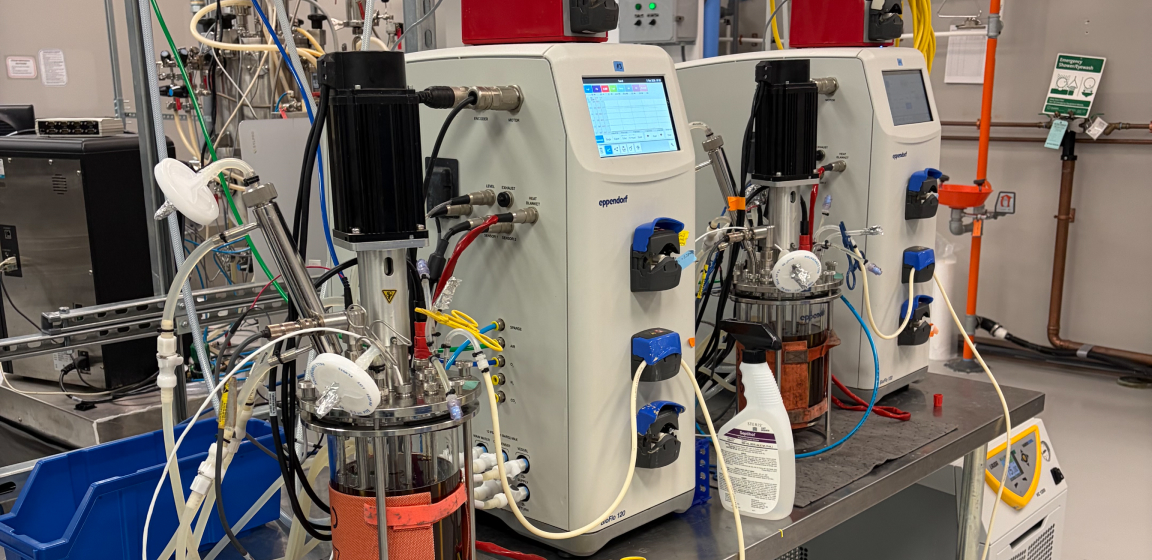
Bench-scale experimentation defines operating ranges, identifies sensitivities, and establishes reproducible process behavior before capital is deployed at pilot scale. Bench-scale typically ranges from 1 L to 10 L working volume per batch.
Pilot-scale execution confirms that bench-scale performance translates under scale-representative conditions, including mixing, oxygen transfer, metabolic behavior, downstream recovery, and product consistency.
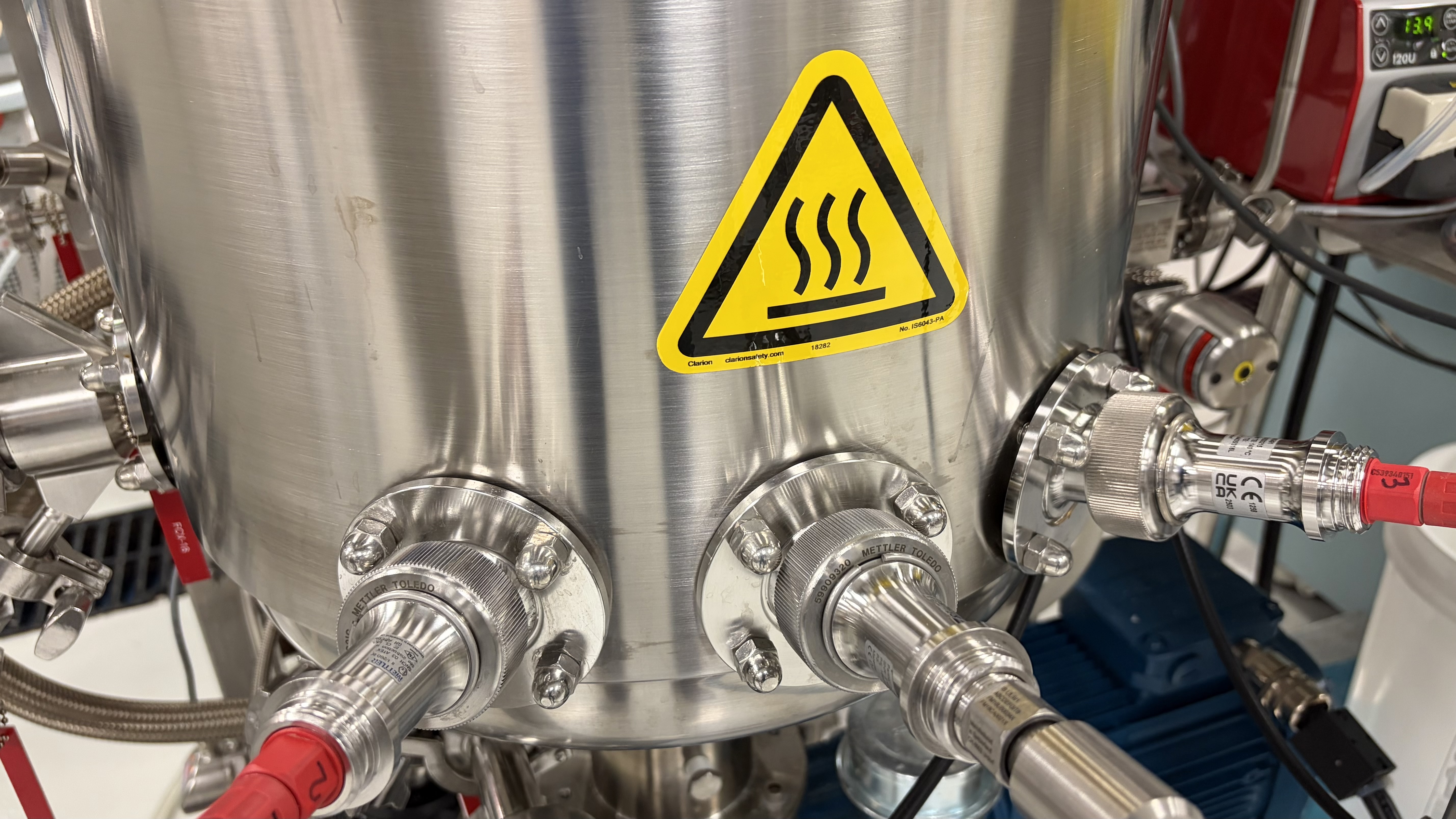
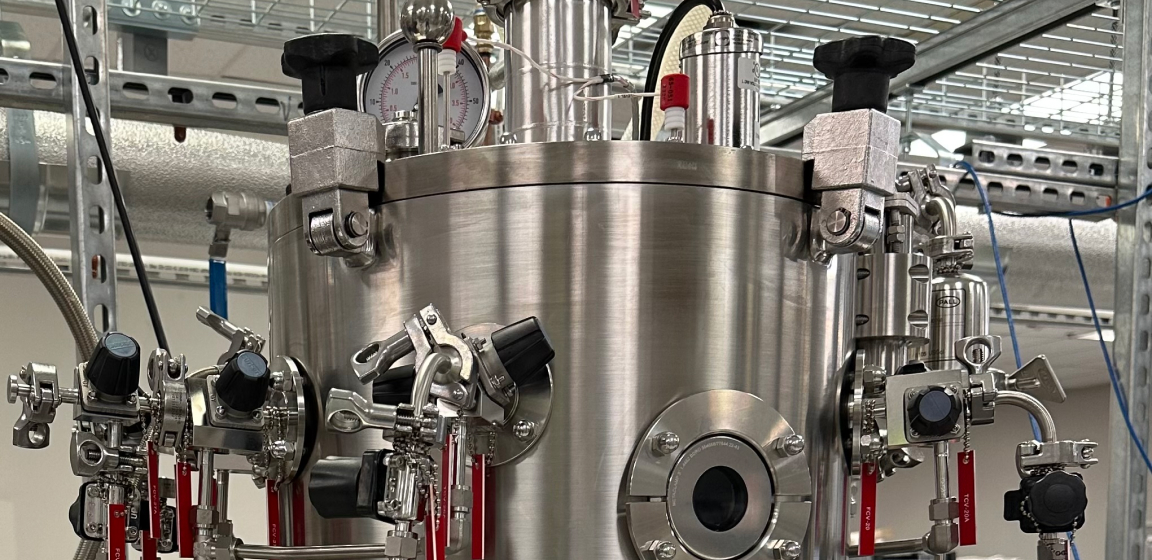
Growth Curve Bio supports fermentation from shake flasks through pilot-scale reactors. Bench systems operate up to 2.2 L working volume, and pilot-scale stainless steel fermenters operate up to 100 L working volume per batch.
Yes. Growth Curve Bio supports downstream processing workflows including centrifugation, tangential flow filtration, and drying (lyophilization) to recover and prepare representative product material.
Growth Curve Bio operates as an R&D-grade precision fermentation facility. The operating framework incorporates GMP-informed documentation practices and defined process controls to support efficient transition into regulated manufacturing environments when appropriate.
Material generated at Growth Curve Bio is produced within an R&D-grade precision fermentation facility. Commercialization requirements depend on the intended market and regulatory framework.
Growth Curve Bio operates in Durham, North Carolina, within the Research Triangle biotechnology hub and minutes from RDU International Airport.

.jpeg)